Jinjiang Landhiker Footwear Co., Ltd.

-

About Us
Jinjiang Landhiker Footwear Co., Ltd. started from 2000, and was established in 2006 with its headquarters in Jinjiang City, Fujian Province. Among its global business activities are manufacturing and producing in shoes and g
-
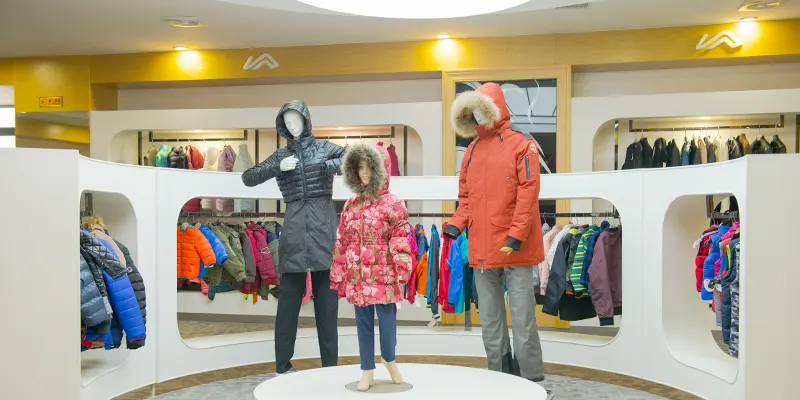
Products
LANDHIKER are manufacturing and producing in shoes and garment.
-

core competitiveness
LANDHIKER are manufacturing and producing in shoes and garment.
-

News

NEWS CENTER
LANDHIKER are manufacturing and producing in shoes and garment.
Achieve the Perfect Fit: Comprehensive Sizing Guide for Women’s Padding Jackets
Time:
31 Dec,2024
Achieve the Perfect Fit: Comprehensive Sizing Guide for Women’s Padding Jackets
When it comes to outdoor clothing, achieving the perfect fit is essential, particularly for women's padding jackets. Whether you're hiking up a mountain, enjoying a winter stroll, or simply navigating your daily routine, the right jacket keeps you warm and comfortable while allowing freedom of movement. In this extensive sizing guide, we'll explore everything you need to know about selecting the ideal padding jacket, from understanding measurements to choosing styles that suit your needs.
Table of Contents
- Understanding Sizing for Women’s Padding Jackets
- How to Measure Your Body for a Jacket
- Different Styles of Women’s Padding Jackets
- Selecting the Right Material for Your Padding Jacket
- The Importance of Fit in Outdoor Activities
- Troubleshooting Common Sizing Issues
- Care and Maintenance of Padding Jackets
- Conclusion
Understanding Sizing for Women’s Padding Jackets
Women’s padding jackets come in various sizes, but understanding how these sizes translate into actual fit can be challenging. Typically, sizes are labeled as XS, S, M, L, XL, and beyond. However, these labels can vary significantly between brands, making it crucial to consult size charts specific to each manufacturer. By grasping how sizing works, you can make better-informed decisions when purchasing your next outdoor jacket.
Standard Size Charts and Measurements
Most brands provide a standard size chart that lists bust, waist, and hip measurements corresponding to each size. For instance, a common size chart may look as follows:
| Size | Bust (inches) | Waist (inches) | Hip (inches) |
|---|---|---|---|
| XS | 31-32 | 23-24 | 33-34 |
| S | 33-34 | 25-26 | 35-36 |
| M | 35-36 | 27-28 | 37-38 |
| L | 37-38 | 29-30 | 39-40 |
| XL | 39-40 | 31-32 | 41-42 |
How to Measure Your Body for a Jacket
Accurate measurements are the key to finding a jacket that fits perfectly. Here’s how to measure yourself effectively:
1. Bust Measurement
To measure your bust, stand up straight and wrap a soft measuring tape around the fullest part of your bust. Ensure the tape is snug but not tight, and take note of the measurement.
2. Waist Measurement
Find your natural waistline, which is usually just above your belly button. Measure around this area, making sure the tape is level all the way around.
3. Hip Measurement
Measure the widest part of your hips, ensuring the tape is parallel to the ground.
4. Sleeve Length
With your arm relaxed at your side, measure from the center back of your neck, over your shoulder, and down to your wrist. This measurement is crucial for long-sleeved jackets.
5. Jacket Length
To determine the length of the jacket you prefer, measure from the top of your shoulder down to where you want the jacket to end (often around the hip or thigh).
Different Styles of Women’s Padding Jackets
Women’s padding jackets come in several styles, each designed with specific functions and aesthetics in mind. Understanding these styles will help you choose the best one for your needs.
1. Puffer Jackets
Puffer jackets are characterized by their quilted, puffed appearance, thanks to the insulation filling. They offer excellent warmth, making them perfect for cold winter days. When selecting a puffer jacket, focus on the insulation type and thickness for optimal warmth.
2. Insulated Parkas
Parkas typically extend longer than standard jackets, providing additional coverage and warmth. They often feature hoods and are designed for extreme weather conditions, making them ideal for outdoor enthusiasts.
3. Lightweight Jackets
Lightweight padding jackets are perfect for milder climates or as an extra layer during chilly evenings. They are typically less bulky and can be easily packed, making them a popular choice for travel.
4. Hybrid Jackets
Hybrid jackets combine different materials and insulation types, providing versatility and comfort. They might feature a puffer body with stretchable sleeves, perfect for active individuals who seek freedom of movement.
Selecting the Right Material for Your Padding Jacket
The material of your padding jacket plays a significant role in its performance and comfort. Here are some common materials used in women's padding jackets:
1. Down Insulation
Down jackets are filled with the soft feathers of ducks or geese, known for their incredible warmth-to-weight ratio. However, they can lose insulation properties when wet, so it’s essential to consider weather conditions when opting for down insulation.
2. Synthetic Insulation
Synthetic jackets use materials like polyester to mimic down insulation. They are typically more water-resistant and retain heat even when wet, making them a practical choice for damp environments.
3. Outer Shell Fabric
The outer layer of the jacket should be durable and weather-resistant. Look for materials like nylon or polyester with water-repellent coatings to protect against rain and snow.
The Importance of Fit in Outdoor Activities
A well-fitted padding jacket enhances your experience in outdoor activities. Here’s why fit matters:
1. Comfort and Mobility
A jacket that fits properly allows for better movement without feeling restricted. This is particularly important in outdoor sports where flexibility is essential.
2. Insulation Efficiency
A snug fit helps trap warmth, keeping you warm even in frigid conditions. Conversely, an oversized jacket may allow cold air to seep in, reducing insulation efficiency.
3. Layering Capabilities
A good fit ensures that you can comfortably layer your clothing. Whether you prefer to wear additional thermals or base layers, the right fit allows for easy layering without bulkiness.
Troubleshooting Common Sizing Issues
Even with proper measurements and a keen eye for sizing, issues can still arise. Here’s how to troubleshoot common fitting problems:
1. Too Tight in the Shoulders
If the jacket feels restrictive in the shoulders, consider sizing up or opting for a style with a more relaxed fit. Look for jackets with additional stretch or adjustable features.
2. Excessive Length
If a jacket is too long, it might bunch up or restrict movement. In such cases, consider styles that offer different length options or look for brands specializing in petite or tall sizes.
3. Loose Cuffs or Hem
Loose cuffs can affect the jacket’s insulation efficiency. Look for jackets with adjustable cuffs or hems to secure warmth effectively.
Care and Maintenance of Padding Jackets
To ensure your padding jacket remains in good condition, proper care and maintenance are crucial. Here are some tips:
1. Washing Your Jacket
Always follow the care label instructions. Most padding jackets can be machine washed on a gentle cycle. Use a mild detergent and avoid fabric softeners that can affect insulation.
2. Drying Techniques
Air drying is the safest method for drying your jacket. If you choose to use a dryer, add dryer balls to help maintain the loft of the insulation. Ensure the jacket is thoroughly dried to prevent mold.
3. Storing Your Jacket
When not in use, store your jacket in a cool, dry place, avoiding compression that can damage the insulation. Hanging it instead of folding it can help maintain its shape.
Conclusion
Finding the perfect fit for women’s padding jackets involves understanding sizing, taking accurate measurements, and selecting the right style and material. By considering these factors, and addressing common fitting issues, you can ensure your jacket serves you well in all your outdoor activities. Always remember that comfort and functionality are paramount in outdoor wear, and with the right padding jacket, you’ll be ready to tackle any adventure that comes your way.
FAQs about Sizing for Women’s Padding Jackets
1. How do I know what size padding jacket to buy?
To determine the right size, measure your bust, waist, hips, and sleeve length, then consult the specific brand's size chart.
2. Are down jackets warmer than synthetic jackets?
Generally, down jackets provide better warmth-to-weight ratios. However, synthetic jackets perform better in wet conditions.
3. Can I wear layers under my padding jacket?
Yes, a good-fitting padding jacket should allow for comfortable layering without feeling too tight.
4. What should I do if my jacket is too tight?
If your jacket feels restrictive, consider sizing up or looking for styles with adjustable features for a better fit.
5. How do I maintain the insulation of my padding jacket?
Follow care label instructions for washing and drying, and store your jacket in a way that avoids compression to maintain its insulation properties.
Share to
LANDHIKER are manufacturing and producing in shoes and garment.
Contact Information


8/F, No 173, pengqing North Road, Chendai, Jinjiang, Fujian, China